Premium Lawn Care Services: Your Guide to a Healthy, Beautiful Lawn
Expert lawn care services play an essential role in preserving a lush and thriving lawn. These experts understand regional conditions and offer personalized solutions for soil care, fertilization, and pest management. Homeowners frequently overlook the advantages of professional intervention. A properly maintained lawn not only improves curb appeal but also contributes to property value. However, selecting the right service can be difficult. What should homeowners look for when seeking professional assistance?
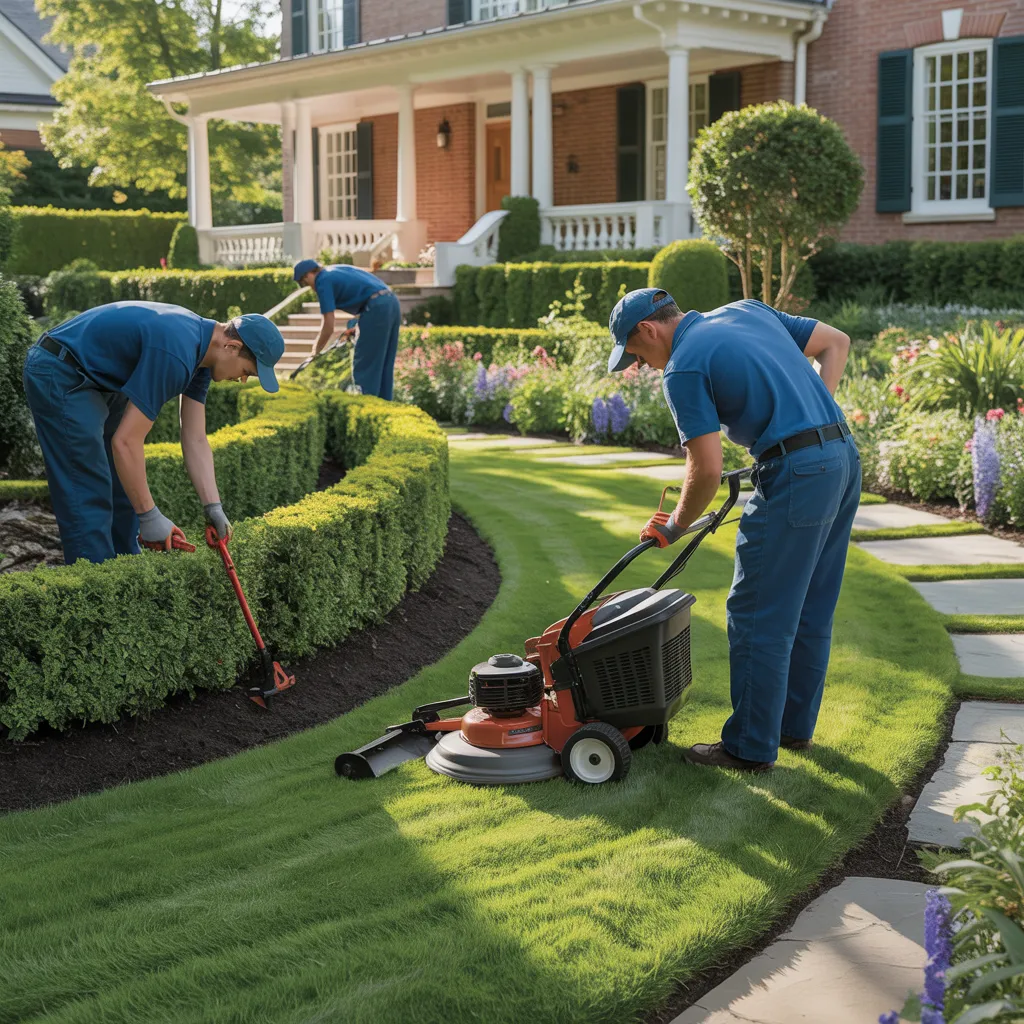
Why Professional Lawn Care Matters for Your Home
Although many homeowners may attempt DIY lawn maintenance, professional lawn care services offer essential expertise that greatly enhances the health and appearance of a property's outdoor space. These experts have thorough understanding of regional soil conditions, weather patterns, and grass varieties, enabling them to develop customized maintenance plans that produce outstanding outcomes. Their experience enables them to identify potential issues before they escalate, ensuring that lawns remain vibrant and lush.
Furthermore, expert services employ cutting-edge equipment and top-tier products that may not be accessible to the typical homeowner. This simultaneously increases efficiency and enhances the overall effectiveness of treatments. By engaging expert services, homeowners can save time and reduce the likelihood of expensive errors. When all is considered, relying on professional lawn care fosters a healthier environment and elevates the aesthetic appeal of a home, contributing to increased property value and enjoyment of the outdoor space.
Key Lawn Care Services: What the Pros Offer
Expert lawn care services cover vital responsibilities that support a healthy and flourishing yard. Primary services feature soil health assessments to evaluate nutrient levels, nutrient application and fertilization programs to encourage healthy development, and comprehensive pest and weed elimination to copyright turf standards. These offerings help lawns maintain their health and beauty year-round.
Soil Condition Assessment
A healthy lawn begins with robust soil, making soil health evaluation a vital service delivered by lawn care specialists. This process encompasses examining soil makeup, pH balance, and nutrient levels to gauge the overall state of the soil. Experts employ advanced tools and techniques to gather samples and evaluate them with precision. By identifying deficiencies or imbalances, they can recommend appropriate amendments and practices tailored to the specific needs of the lawn. Moreover, soil health analyses contribute to a deeper understanding of microbial activity in the soil, which is essential for effective nutrient cycling. As a result, a detailed assessment creates the basis for productive lawn care approaches, making certain that the lawn receives the critical backing required for maximum growth and vitality.
Fertilisation and Nutrient Management
Fertilization and nutrient management are essential elements of successful lawn maintenance, significantly affecting the vitality and aesthetics of the grass. Professionals assess the individual nutrient demands of the lawn, frequently using soil analyses to detect nutrient gaps. This tailored approach guarantees that the right fertilizers are applied, fostering superior growth and durability. Lawn maintenance professionals commonly suggest a well-rounded combination of nitrogen, phosphorus, and potassium, which are critical for robust growth. Furthermore, they plan treatments according to seasonal conditions, maximizing nutrient uptake while minimizing waste. Correct scheduling and methods in fertilization not only improve the lawn's aesthetic quality but also improve its overall health, producing a rich, green yard that resists environmental challenges successfully.
Pest & Weed Control
Preserving a thriving lawn necessitates diligent pest and weed control, as these invaders can quickly compromise its health. Skilled lawn care specialists utilize numerous techniques to efficiently address pests and weeds, ensuring the lawn continues to thrive and look its best. Integrated Pest Management (IPM) approaches are frequently applied, blending biological, cultural, and chemical solutions to limit damage to beneficial creatures. Additionally, experts identify specific weeds and pests, tailoring their strategies to target these threats without harming the surrounding environment. Consistent observation and prompt action are critical, since timely identification can avert significant harm. By leveraging cutting-edge technology and experience, experts not only address active infestations but also introduce preventative strategies, securing enduring lawn wellness and curb appeal.
Picking the Ideal Lawn Care Service: Essential Things to Keep in Mind
How do homeowners go about finding the most suitable lawn care service to meet their needs? First, they should assess their specific requirements, such as lawn size, desired services, and budget. Investigating nearby companies plays a vital role, as homeowners can consult online reviews and gather suggestions from people in their community. Additionally, validating the company's qualifications is key, making sure the service carries the necessary licenses, insurance coverage, and certifications from established professional associations.
Next, homeowners should look into the service options, including organic options and customized care plans. A reputable provider will present a clear, detailed proposal outlining the scope, pricing, and schedule. Furthermore, customers should assess customer service; clear dialogue and timely responses are significant markers of a reliable provider.
In addition, requesting a consultation can help homeowners gauge professionalism and expertise. By considering these factors, homeowners can arrive at well-informed choices and ultimately achieve a vibrant, thriving lawn customized to suit their specific requirements.
What Happens in a Lawn Care Consultation?
What can homeowners expect during a lawn care consultation? Initially, a specialist will assess the property, reviewing the lawn's general condition, soil composition, and current plant life. This inspection helps uncover specific concerns, such as pests, diseases, or nutrient deficiencies. Homeowners may be asked questions regarding their lawn care goals, preferences, and any previous treatments.
Following the assessment, the expert will offer personalized suggestions. Such recommendations might cover the kinds of fertilizers and care treatments necessary, as well as a suggested maintenance schedule. Homeowners will further be given guidance on optimal approaches to lawn watering, mowing, and pest prevention.
The consultation generally ends with an overview of pricing and available services, allowing homeowners to make informed decisions. This team-oriented strategy confirms that the homeowner's vision is balanced with professional insight, establishing the groundwork for a healthy and vibrant lawn.
Seasonal Lawn Care Tips: Strategies for a Thriving Lawn
Successful lawn management necessitates a year-round strategy to ensure ideal growth and health. During spring, foundational preparations lay the groundwork for a vibrant lawn, while summer upkeep strategies serve to preserve its vitality. As the fall season begins, applying seasonal cleanup methods becomes essential for the lawn's durability during winter months.
Essential Spring Preparation Tips
With spring on the horizon, property owners should begin preparing their lawns for the season ahead. Beginning with debris removal, such as clearing leaves and branches that may choke the grass underneath, is essential for a healthy start. Soil aeration plays a key role, enabling water and nutrients to reach deeper layers and encouraging strong root development. Testing the soil pH can guide fertilization, ensuring ideal nutrient levels for healthy grass. It is also advisable for homeowners to overseed in order to address bare areas and boost the lawn's density. The application of a pre-emergent herbicide can be instrumental in keeping invasive weeds from taking hold. Lastly, setting up a consistent watering routine is critical, since steady moisture levels play a significant role in maintaining a flourishing lawn. These spring preparation essentials set the foundation for a vibrant, healthy outdoor space.
Seasonal Summer Maintenance Tips
Keeping a vibrant lawn during the warmer months requires careful planning and dedicated effort. Adequate irrigation is crucial; lawns typically require about one inch of water per week, best administered early in the morning to minimize evaporation. Mowing at the correct height—generally around three inches—supports robust root systems and minimizes turf stress. Additionally, routine use of a slow-acting nitrogen supplement encourages strong development without damaging the turf. Aeration can alleviate soil compaction, permitting oxygen and minerals to infiltrate deeply. To conclude, monitoring for insects and lawn diseases ensures prompt treatment, protecting the overall condition of your turf. By applying these techniques, homeowners can maintain a healthy, thriving lawn all summer long.
Fall Cleanup Strategies
A thorough fall cleanup is essential for preparing a lawn for the colder months ahead. The process starts with raking leaves to avoid smothering the grass, which may result in mold and disease. Furthermore, homeowners should remove any debris, including branches or dead plants, to encourage healthy growth in the spring. Aerating the soil is also an essential step, as it improves water penetration and nutrient absorption. Using a fall fertilizer can also strengthen the lawn's resistance against winter stress. Lastly, overseeding can boost density and cover bare spots, guaranteeing a lush, green lawn when warmer weather arrives. Applying these methods will help develop a flourishing lawn prepared to withstand winter's challenges.
Avoid These Common Lawn Care Pitfalls
Successful lawn maintenance depends on awareness and proper technique, yet many homeowners are unaware they are making common pitfalls that can damage their results. A common error involves improper mowing height; mowing the lawn too low can damage root systems and encourage weed growth. Furthermore, overwatering is another common issue, leading to shallow root systems and increased susceptibility to disease. Homeowners often overlook soil health too, overlooking pH testing and the addition of vital nutrients.
Another frequent mistake is applying fertilizers or pesticides without knowing their proper application rates, which can damage the lawn and the environment. Timing is crucial; applying treatments at the wrong season can lead to disappointing outcomes. Finally, many overlook proper aeration, neglecting to address soil compaction that restricts vital air and water flow. By identifying these common pitfalls, homeowners can more effectively plan their lawn care, leading to a vibrant and healthy landscape.
Basic Tips for Looking After Your Lawn Between Services
Regular attention to lawn care between services can substantially boost the overall condition and look of your yard. A great starting point for homeowners is regular mowing, ensuring blades are sharp to avoid tearing grass. Keeping grass at a height of approximately three inches supports deeper rooting and preserves essential moisture in the soil.
Irrigation is crucial, but it should be done early in the morning to reduce moisture loss. A thorough watering one to two times per week is more effective than brief, frequent irrigation.
Weed management is an additional crucial consideration; pulling weeds by hand or using targeted herbicides can prevent them from competing with grass for nutrients.
Feeding your lawn based on a plan based on your grass variety and soil composition will deliver essential nutrients.
Finally, lawn aeration performed one to two times annually promotes healthier soil and allows water to penetrate more effectively. By following these simple tips, homeowners are able to preserve a beautiful and flourishing lawn between scheduled professional treatments.
Questions We Often Receive
How Often Should I Have My Lawn Professionally Serviced?
The majority of experts suggest getting your lawn professionally maintained once every 4 to 6 weeks over the course of the growing season. This schedule ensures the best health, visual appeal, and care, enabling prompt treatments and modifications according to seasonal requirements.
What Equipment Do Lawn Care Professionals Typically Use?
Lawn maintenance experts employ a selection of equipment, including mowers, trimmers, blowers, aerators, and seeders. Such machinery helps them maintain lawns efficiently, guaranteeing superior health, beauty, and development across all seasons.
Are There Organic Lawn Care Choices Available?
Absolutely, organic lawn care alternatives are available. These methods utilize natural fertilizers, compost, and eco-friendly pest control, promoting healthier soil and ecosystems while reducing chemical exposure. A growing number of professionals now include organic practices as part of their services.
Are Lawn Care Services Able to Assist With Pest Control?
Yes, lawn care services can help with pest control by using various strategies and applications. These professionals evaluate pest infestations, recommend appropriate solutions, and use effective treatments to maintain a healthy, thriving lawn while limiting pest concerns.
What Steps Should I Take if My Lawn Displays Signs of Disease?
If a lawn shows signs of disease, one should assess the symptoms, improve drainage, modify irrigation habits, examine this material and apply appropriate treatments. Consulting a professional for diagnosis and tailored solutions is often advisable for effective management.